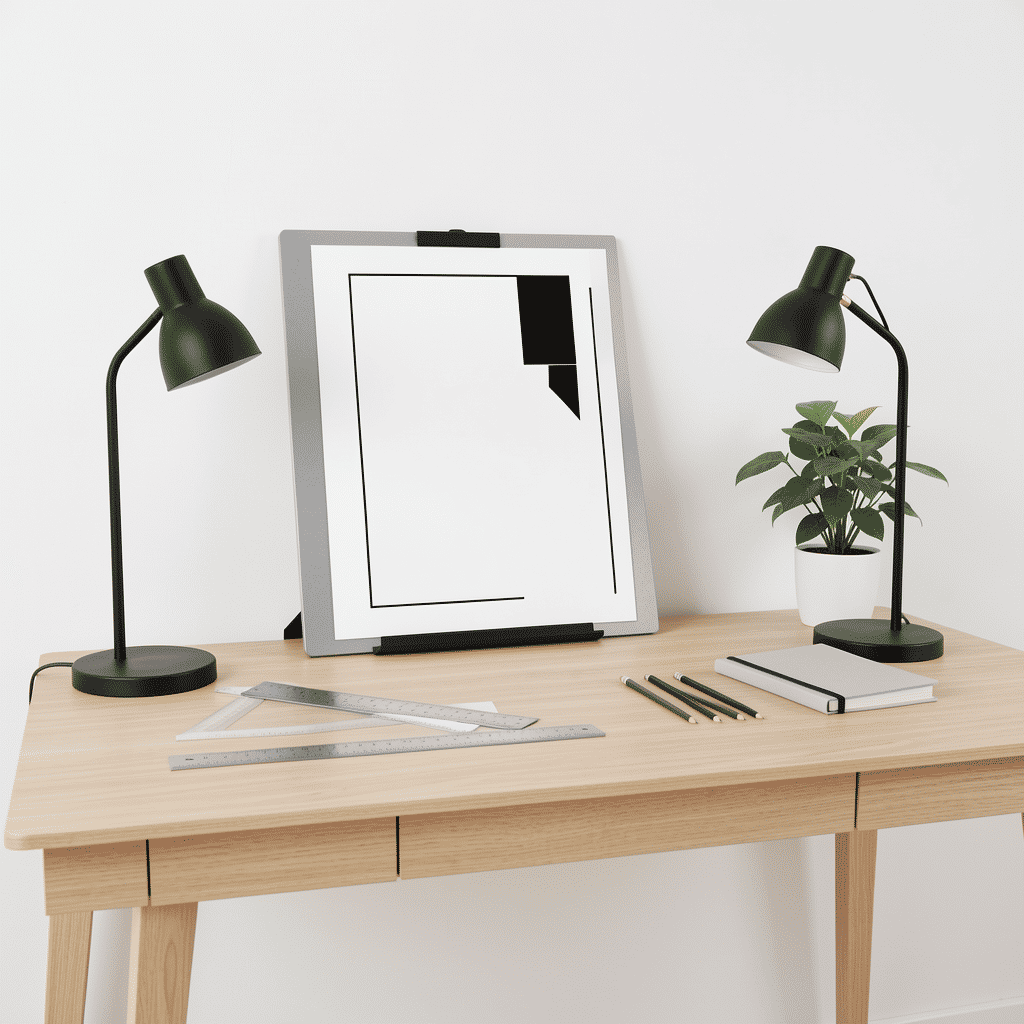
Minimalist design has become a hallmark of modern aesthetics, celebrated for its clean lines, uncluttered spaces, and intentional use of white space. At its core, the minimalist approach roots itself in the philosophy that less truly is more. Embracing simplicity, this design ethos challenges creators to strip away the non-essential elements, highlighting the essence of the subject and ensuring clarity in visual communication.
To seamlessly weave minimalist principles into your designs, an understanding of the foundational elements is crucial. Begin with a thorough exploration of the purpose behind your design. Ask yourself: what is the core message or the primary function that this design must convey? Understanding this allows you to prioritize elements that directly contribute to that message while eliminating distractions that can muddy the narrative.
In minimalist design, every element counts. The selection of color, typography, and spatial arrangement can dramatically influence the impact of a design. When it comes to colors, minimalism often leans towards muted tones or monochromatic palettes. These colors evoke a sense of calmness and clarity, allowing the viewer’s focus to remain on the content rather than being overwhelmed by a cacophony of hues. However, strategic use of a bold color can create a striking focal point, drawing attention where it is most needed.
Typography plays an equally pivotal role in minimalist design. The choice of font can convey a multitude of messages—from modern and sleek to timeless and traditional. Sans-serif fonts often take center stage in minimalist projects, favored for their clean lines and legibility. The size and spacing of the text must also be carefully considered, ensuring that it complements the overall aesthetic and remains accessible to the audience.
The use of space in minimalist design is perhaps its most distinctive feature. Emphasizing the importance of negative space (or white space), minimalist design creates equilibrium and harmony, allowing the eye to rest and the mind to focus on the content. This deliberate use of space is not an absence but rather an active component of the design. It encourages engagement and contemplation by providing clarity and breathing room for the viewer.
Simplicity in design does not equate to a lack of creativity. On the contrary, it demands a high degree of ingenuity and innovation. Striking a balance between simplicity and interest can be achieved through thoughtful composition, surprising juxtapositions, and the use of geometric shapes. Each element should possess a purpose, contributing to the overall narrative without overwhelming it.
Functionality is paramount in minimalist design. The interplay between form and function ensures that the design is not only aesthetically pleasing but also highly effective. A minimalist approach often results in intuitive navigation and user-friendly interfaces, especially in digital design, where ease of use is key.
Ultimately, mastering minimalist design involves a commitment to reducing and refining. It asks designers to articulate their vision with precision and to communicate effectively with the fewest possible elements. It’s a practice of restraint, requiring designers to have confidence in their choices and in the power of what remains unsaid.
Today, minimalist designs are more relevant than ever, standing out in an era characterized by information overload. The pursuit of simplicity not only enhances aesthetic appeal but also amplifies the potency of communication, allowing the essential to be heard amidst the noise. By embracing the philosophy of less is more, designers can craft impactful experiences that resonate, rivaling even the most ornate of designs with their clarity and elegance.